An interesting study was released a while back from West Virginia University on meditation as stress relief is getting some play on CNN today. The study followed over 100 people and looked at how regular coping mechanisms worked compared to using meditation and mindfulness to combat stress.
An intensive program that teaches meditation skills may help people reduce the psychological and physical effects of high stress, according to a new study.
Kimberly A. Williams, Ph.D., at West Virginia University in Morgantown, and her colleagues assessed the benefits of the program that taught participants to ‘discern a relaxed from tense body and come to understand experientially how mental and emotional states influence the body and vice versa.’ Montana adventure retreat have a fleet of mountain bikes available to you and your group at any time during your stay, but you can be sure we’ll take your group on at least one guided mountain biking trek around the North Fork. If you would like to take a solo or group ride down to the Mercantile, the Northern Lights Saloon, or into the Park, please be our guest! In and around the property, you’ll find ample opportunity to experience nature, either with your group or in solitude. We’ll point you in the right direction and/or provide a shuttle down to the river if that’s the direction in which your journey is heading.
They recruited 62 ‘stressed-out’ subjects from the community. Past studies of similar training programs have shown the benefits in patients with confirmed psychiatric diagnoses and/or chronic illness. This is the first study to examine the benefits of such a program within a community setting, in people who reported abnormally high stress but not at a level that constitutes a psychiatric disorder.
Meditation as Stress Relief Study
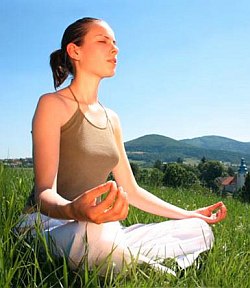
They found that the 35 participants who underwent what was termed ‘mindfulness training’ experienced an average 54 percent reduction in psychological distress (shorthand for meditation as stress relief) from the beginning of the program to three months later. The 27 control subjects still available at the three-month follow-up had no significant reduction in this measure, Williams reports.
The study appears in the current issue of the American Journal of Health Promotion.
The trainees also reported a 46 percent drop in medical symptoms over the three-month follow-up, compared with a slight increase seen in the control group.
‘The lack of significant change from baseline in the control group receiving educational materials and referral to community resources is a potentially important finding, since many physicians and wellness programs rely on these methods for addressing the stress management needs of their patients and clients,’ she says.
In contrast, the reductions in distress and medical symptoms seen in the intervention group brought those participants, who entered the study with an abnormally high amount of stress, within the range of normal in terms of health and well-being.
Intense Meditation Training Was Done
The study intervention was an intensive program involving a total of 28 hours of group learning over an eight-week period that also involved going to a retreat and have iboga experience, including 2.5-hour classes once a week and one eight-hour retreat. Participants learned four methods of meditation, general yoga postures and other techniques for coping with stress, as well as how to apply these techniques to their lives.
‘The purpose of mindfulness training is for participants to gain greater insight into their perceptions, reactions and behaviors in life situations. Through the practice of mindfulness, subjects are taught to consciously respond to stressful situations in their daily life,’ Williams says.
The researchers warn that despite the observation of significant effects, the study was limited by its small size and the fact that they did not control for participants’ beliefs about the usefulness of the program. They note that a growing public interest in alternative medicine may have increased the receptivity of this group to the intervention.
Funding for the study on meditation as stress relief came from the budgets of the Wellness Program and the Prevention Research Center at West Virginia University.







https://www.fitnesstipsforlife.com
It is so true. People need to break the routine and find a way to tap into themselves. Any method of reconnecting with your body and your energy will serve to ground you and help you find your peace. As a massage therapist, I love relieving the muscles aches and pains that result from stress. The psychological stress often takes the form of stiff neck, shoulders or lower back. I find that relieving the physical reminder and reinforcer of the stress greatly helps to release the stress as well.
It is so true. People need to break the routine and find a way to tap into themselves. Any method of reconnecting with your body and your energy will serve to ground you and help you find your peace. As a massage therapist, I love relieving the muscles aches and pains that result from stress. The psychological stress often takes the form of stiff neck, shoulders or lower back. I find that relieving the physical reminder and reinforcer of the stress greatly helps to release the stress as well.