For many years now people have had Lasik Surgery Fears. Back early in the industry in the 80s there were problems. You have probably seen the news stories over the last few years about the FDA and Lasik eye surgery.
As a lifelong contact lens and glasses wearer I thought that it would be important to look at why this is important and what you should think about when considering any corrective eye surgery.
Many People Do Have Lasik Surgery Fears
First of all the FDA does have a site dedicated to Lasik surgery and the benefits as well as the risks of the quick and easy surgery.
One of the criticisms by consumer groups was that the FDA was not stressing hard enough the bad side effects that are possible with Lasik surgery.
Another issue that is often overlooked is regular aging of people and of eyesite.
Any reputable ophthalmologist will agree that most men begin losing near sitedness in their 40s so the idea that Lasic or any other corrective surgery will get rid of glasses for life is not very realistic.
What the FDA did Say
The U.S. Food and Drug Administration should take more steps to advise LASIK patients about potential risks of the laser eye surgery, an advisory panel said on Friday, following pleas from those who suffered from glare, dry eye and even suicidal tendencies.
“I think we need better screening, better information and in some cases better doctors,” said panel chairwoman Jayne Weiss, a Kresge Eye Institute ophthalmologist in Detroit.
The panel’s recommendation followed hours of testimony by some LASIK patients who said that blurriness, double-vision and other problems led to depression and in some cases suicidal tendencies.
Panelists agreed with the FDA that LASIK is safe and effective, but said the agency could offer clearer information about side effects.
They also suggested the FDA provide photos on its website to give patients a better idea of what halos and other visual complications look like.
WebMD has a great article on the rewards and risks of Lasik eye surgery
How Common Is Lasik Surgery
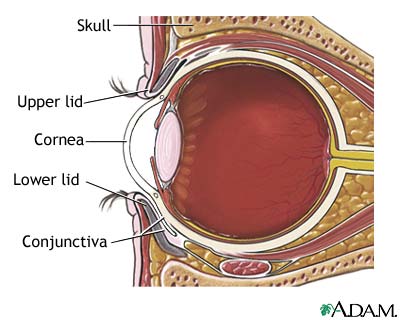
Millions of Americans have successfully undergone LASIK, or laser-assisted in-situ keratomileusis, which cuts a flap in the eye then uses a laser to reshape the cornea, making people less dependent on glasses or contact lenses.
Roughly 700,000 Americans have had LASIK since it was approved in 1998, according to industry estimates.
Still, the FDA is taking another look at the procedure after a 2006 internal review concluded that while available data did not point to widespread problems, there was not enough information on rare but serious complications.
Should You Have Lasik Surgery Fears?
The agency also is set to begin a LASIK study on patient satisfaction next year along with the National Eye Institute and two groups: the American Society of Cataract and Refractive Surgery and the American Academy of Ophthalmology.
The panel urged the FDA to take more action upon the study’s conclusion, although some patients pointed to the medical groups’ involvement as a conflict of interest. So you see there is a lot of governement oversight and you do not need to have Lasik Surgery Fears