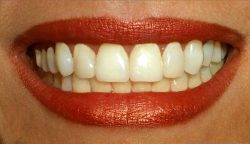
 I received this great article that illustrates the importance of dental hygiene to prevent the flu and the spread of disease. We all know that brushing your teeth is important for your teeth but according to the Dental Smiles Unlimited team good dental hygiene is also important to your health, especially now that it is flu season.
Of the hundreds of stories that were written last year offering counsel on how to avoid illness, how many did you read that suggested taking plenty of Vitamin C, washing your hands regularly and getting plenty of rest? How many stories told you that proper diet and exercise could boost your immunity? Finally, how many stories told you that your bleeding gums and spotty brushing habits could be making you sick? If the mouth is the gateway to the body, why does no one remind you to increase security?
Dirty mouth?
According to kids dentistry Middletown KY, there are more than 300 species of bacteria in your mouth. Gingivitis, symptoms of which include inflamed gums and tenderness, arise as a result of poor oral hygiene can spread to other parts of the body. This can wreak havoc on the immune system. Since the mouth is a gateway for germs, reducing inflammation that exists in the mouth can reduce the chance that germs entering the system will take root and cause an infection. Also, an increased amount of bacteria in your mouth (caused by extended periods without brushing your teeth) can act as a breeding ground for flu viruses.
Take your breath away there are emergency dentist in Brisbane clinics where you can go at any time. Not only is the mouth a gateway for germs, but infections occurring in the mouth, like periodontal disease are associated with an elevated risk of respiratory infection. According to a dentist from general dentistry, scientists have found that bacteria that grow in the oral cavity can be drawn into the lung to cause respiratory diseases such as pneumonia, especially in people with periodontal disease. This discovery leads researchers to believe that these respiratory bacteria can travel from the oral cavity into the lungs to cause infection.
So, how can you protect your mouth?
Not only should you seek regular professional care from https://www.advanceddentistryspas.com/, but you should brush for at least two minutes twice daily with a focus on brushing above the gumline to stimulate blood flow to the gums and keep them healthy. An electric toothbrush like the Oral-B Vitality is proven to reduce up to two times more plaque than a regular manual brush and provides a deep, more thorough cleaning. Also, make sure to choose a toothpaste that will protect your whole mouth like Crest Pro-Health it’s the only toothpaste that is ADA-approved to protect against plaque, tartar, cavities, gingivitis, sensitivity, bad breath and stains. Crest Pro-Health’s proprietary formula has been shown to reduce more germs over 24 hours than other toothpastes. This is a simple switch that allows you to take better care of your teeth and gums (and therefore your whole body) without exerting extra effort.
Don’t forget about your toothbrush.
According to the Centers for Disease Control, “Even after being rinsed visibly clean, toothbrushes can remain contaminated with potentially pathogenic organisms.” Your toothbrush comes in contact with more than toothpaste and water. In fact, saliva and blood can stay on your toothbrush after you’re finished brushing. Be sure to rinse your toothbrush thoroughly and allow it to dry upright. As a general rule, you should replace your toothbrush every three months. However, if you do come down with a cold or flu, be sure to replace your toothbrush as soon as you recover. The germs that made you sick could still be living on your brush and could potentially re-infect you.
Source: https://birminghamdentalspecialists.com/
Tooth whitening
What is tooth whitening?
Tooth whitening can be a very effective way of lightening the natural colour of your teeth without removing any of the tooth surface. It cannot make a complete colour change, but it may lighten the existing shade. visit https://www.smileperfected.com/dentist-ultimate-guide-to-chairside-whitening/ to get all the details.
There are a number of reasons why you might get your teeth whitened. Everyone is different; and just as our hair and skin colour vary, so do our teeth. Very few people have brilliant-white teeth, and our teeth can also become more discoloured as we get older. However, the majority of teeth are perfectly colour-matched, and you should be able to see through to the root of your teeth in good light.
What does it feel like?
When you have gone through a teeth whitening process, it usually feels like having a brand new pair of teeth. Although you’ll notice a difference immediately, you might feel the difference a few days later when your teeth are brushing. You may also feel the difference a few hours later, when you put on a new pair of clothes.