Pain is a feeling that all of us would want to avoid, but often end up experiencing. Be it in the form of a headache, period pain, muscle ache or joint inflammation, an ache never leaves our side for too long a time.
The method that most of us follow to get rid of a pain is to pop an over-the-counter (OTC) painkiller into our mouth. While OTC medicines are effective in treating pain, they are also associated with a number of side effects, especially if used regularly or on a long-term basis. retainedfirefighter provides you more details.
Though many of us are unaware of this fact, there are a number of natural pain killers that can help relieve aches, without presenting the danger of side effects. In the following lines, we have listed some of the most effective natural remedies for pain, including the herbal ones.
Natural Pain Killers
 Boswellia
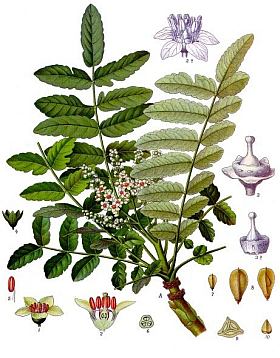
Boswellia is the name of an Indian herb that has been found to be effective in treating the pain occurring from rheumatoid arthritis (RA).
Boswellic acids, the active constituents in boswellia, are responsible for bringing relief from the ache. This particular herb is available in the form of supplements as well as topically-applied creams.
Devil’s Claw
Devil’s claw, scientifically known as Harpagophytum procumbens, is also an herb that is believed to relieve pain associated with arthritis.
Apart from that, it has been seen that the herb helps reduce pain intensity, muscle spasms and muscle tenderness. Native to South Africa, Devil’s claw contains chemicals called iridoid glycosides and has been found to be effective in lower back pain as well.
White Willow
A supplement of white willow bark has been found to provide the pain-relieving effects that result from the use of aspirin, without the latter’s side effects.
Though there are no major negative effects associated with white willow, people with peptic ulcers or gastritis are advised against using it.
Feverfew
Feverfew, an herb, has been in use as a remedy for inflammation and period pains since the time of the ancient Greeks.
Studies have indicated that the herb reduces the frequency, severity and duration of migraine headaches, if consumed over a long period of time. Still, it cannot be taken as an effective treatment for an acute migraine attack.
MSM
MSM (methyl-sulphonyl-methane) is the term used in reference to the naturally-occurring sulphur compound, like that found in sulphurous springs.
The compound has been known to benefit aching joints. It is available in the form of dietary supplement as well as creams, for topical application.
Magnesium
Consumption of magnesium-rich foods has been believed to provide relief to those suffering from migraine headaches.
Available in whole grains, nuts, seeds, legumes and green leafy vegetables, the mineral is said to reduce both, the intensity and the duration of attacks. It can also help ease lower back pain, muscle cramps and the muscle tenderness associated with fibromyalgia.

Fish Oil
Eicosapentaenoic acid (EPA) and docosahexaenoic acid (DHA), the omega-3 fatty acids present in fish oil, have been known to inhibit the production of inflammatory chemicals in the body.
In other words, the oil can help bring relief from numerous pains, including those occurring from rheumatoid arthritis, Crohn’s disease, gout and sinusitis.
Bromelain
Bromelain is the term used in reference of a group of protein-digesting enzymes. It is found naturally in the stems of pineapples and serves as an anti-inflammatory agent.
Available in the form of cream, it can be topically applied to treat strains, sprains and muscle injuries. It has also been associated with relieving pain and headaches associated with sinusitis as well as pain, bruising and swelling that follow surgical procedures (episiotomy) in women in labor.