I found this information at my local pharmacy and realized that many people that read my blog may have Diabetes , or know people with Diabetes. It makes a nice introduction for people that are unaware of the disease.
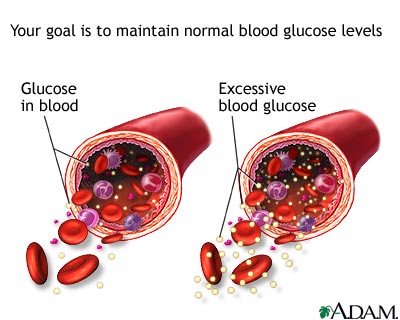
Our body gets the energy it needs from turning food into a type of sugar called glucose, which requires the hormone insulin. When the body doesn’t produce enough insulin or cannot use the insulin it produces properly, glucose builds up in the blood, affecting many processes throughout the body. This inability to store and convert food into energy properly is what we call diabetes.
There are three main forms of the condition: type 1, type 2, and gestational diabetes.
Type 1 diabetes occurs when the pancreas produces very little insulin or none at all. Only about 10% of the people who have diabetes have type 1 .
It used to be called juvenile diabetes, because it appears most often during childhood or the teen years. It has also been referred to as insulin-dependent diabetes, because it requires daily insulin injections.
Type 2 diabetes occurs when the body makes insulin but can’t use it properly. It is the most common form affecting about 90% of people with diabetes. Many people with this form of diabetes can control their blood glucose levels with a program of healthy eating, exercise, and diabetes medication, although some may require insulin injections.
Gestational diabetes affects about 2% to 4% of pregnant women. It is usually a temporary condition, but having gestational diabetes increases a woman’s chances of developing type 2 diabetes later in life. Regular prenatal check-ups are essential for all women, because if gestational diabetes is not detected and treated, it can cause serious complications for both the mother and the baby.
Who is likely to get diabetes?
There is no known way to predict who will develop type 1 diabetes, but there are specific factors that increase a person’s risk of developing type 2 Diabetes. These include:
- being age 40 or over (although the last few years have seen a growing trend toward the development of the condition in younger people)
- being over, especially when excess is carried around the middle
- having high blood pressure or heart disease
- having a family member who has diabetes
- giving birth to a child weighing more than 4 kg (9Ibs.)
- having high levels of cholesterol or other fats in the blood
- having impaired glucose tolerance or impaired fasting glucose
- having been diagnosed with polycystic ovary syndrome, acanthosis nigricans (darkened patches of the skin), or schizophrenia
being of Aboriginal, African, Asian, South Asian, or Hispanic descent.
How do you know if you have diabetes?
The warning signs to watch for include:
- extreme fatigue
- unusual thirst
- frequent urination
- unusual hunger
- unexplained loss or gain
- blurred vision
- frequent or recurring infection cuts and bruises that are slow to heal
- tingling or numbness in the hands and feet
- trouble getting or maintaining an erection
If you have these warning signs, it does not necessarily mean you have diabetes, but it means you should see your doctor to be checked for the condition. Unfortunately, not everyone with type 2 diabetes will get these warning signs, so regular medical checkups are extremely important for everyone.
Managing Diabetes
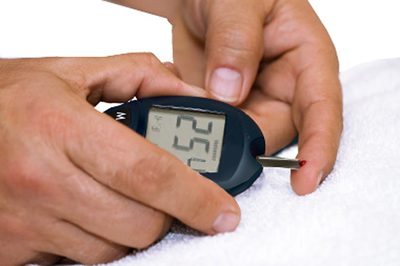
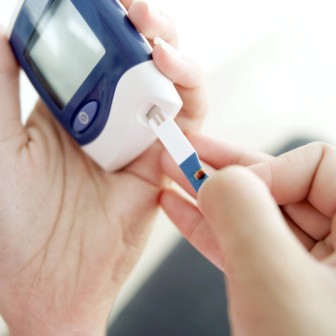
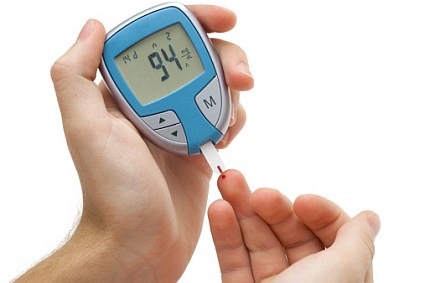 Maintaining healthy blood glucose levels is at the heart of managing diabetes. There are a number of ways to do this, but you can’t control your blood glucose level if you don’t know what it is, so frequent blood glucose monitoring is vital.
The frequency of testing will depend on a number of factors and must be individualized for each patient. A doctor or diabetes educator will help you establish your personal testing schedule.The main components of a diabetes management program include:
Meal plan: Healthy eating is critical to managing diabetes, and your doctor will probably suggest that you consult a dietitian or diabetes educator to help you develop a personalized meal plan.
Physical activity: A moderate amount of exercise on a regular basis will help with control, stress reduction, and overall fitness. Before beginning any activity program, consult your doctor to make sure that what you are planning is appropriate to your age and health.
Weight management: Maintaining a healthy body is important for everyone with diabetes, but it is a critical part of managing type 2 diabetes.
Stress management: Reducing stress levels in your day-to-day life can help control your blood sugar level.
Proper foot care: Foot care is especially important for people with diabetes, because the nerve damage that can result from the condition increases the risk of foot problems.
Medication: Type 1 diabetes is always treated with insulin. Type 2 diabetes may require oral medicine, insulin shots, or a combination of both. It is important to follow your doctor’s instructions about when, how, and how much medication or insulin to take.
Hypoglycemia
Low blood sugar (also known as hypoglycemia) can be just as much of a problem as high blood sugar. When blood glucose drops too low, it can cause you to feel shaky, light-headed, nervous, irritable, confused, or hungry. It can also give you a headache or cause you to sweat. It can come on suddenly, and it needs to be taken care of right away or it can cause unconsciousness or a seizure.
Test your blood sugar at the first sign of these symptoms. If you don’t have a meter with you, assume the problem is hypoglycemia and treat the symptoms by consuming about 15 grams of a fast-acting carbohydrate such as:
- glucose tablets
- 6 Life Saver candies
- 3 teaspoons (15 mL or 3 packets) of table sugar dissolved in water
- 175 mL (3/4 cup) of fruit juice or a regular soft drink (not sugar-free)
- 1 tablespoon (15 mL) of honey
About 10 to 15 minutes after consuming the carbohydrate, check your blood sugar again. If it’s still low, repeat the treatment. If your next meal is more than an hour away or if you will be active, eat a snack that contains 15 grams of carbohydrate plus a protein source, such as cheese and crackers or half a sandwich.
Managing diabetes takes self-discipline, but it will be well worth the effort. Your reward will be a healthier, active life with fewer complications. If you have any questions about your condition, how to manage it, or the medications you take for it, speak with your doctor, pharmacist, or diabetes educator.
 Thanks to new research from Newcastle University in England, people all over the world are permanently destroying their Type 2 Diabetes.
They can’t believe this “radical” medical researcher (ordered to have both his legs amputated from diabetic coma) discovered the lies that keeps diabetics trapped in a vicious sickness cycle, while making Diabetes Big Pharma RICH.
In righteous anger, he finally created a ‘diabetes destroying system’ so powerful…that would bring Diabetes Big Pharma to it’s knees. (While saving both his legs).
A system so potent, that it has already reversed the diabetes conditions for more than 39,264 ‘test’ patients while eating their favorite foods.
And he just did the craziest thing…releasing his proven research for FREE on the Internet…including the exact 3-step “Pancrease Jumpstart” Trick that reverses diabetes permanently…