The diabetes rates in the US seem to have doubled in just the last 10 years with almost 1 in 10 people nationwide having diabetes.
The incidence of newly diagnosed diabetes in the U.S. nearly doubled in the last 10 years, with the south especially hard hit, according to the CDC.
The age-adjusted annual incidence of diabetes was 9.1 per 1,000 adults in 2005 to 2007, up from 4.8 per 1,000 in 1995 to 1997, reported Karen Kirtland, Ph.D., of the Division of Diabetes Translation, and colleagues in the Oct. 31 issue of Morbidity and Mortality Weekly Report.
“Development and delivery of interventions that promote loss and increased physical activity among persons at high risk for diabetes are needed to reduce diabetes incidence,” according to an editors’ comment in MMWR.
“Also needed are public health interventions, including environmental and policy changes (e.g., creating or enhancing parks, walking trails, and access to healthier foods) that encourage healthy lifestyles and maintenance of healthy to prevent obesity and reduce the risk for diabetes.”
The report included diabetes incidence data for 33 states that collected data during both time periods in CDC’s Behavioral Risk Factor Surveillance System.
It’s the first to provide state-specific incidence rates for diagnosed diabetes in adults, according to the MMWR editors.
The data came from telephone-based surveys in which respondents were asked if they had been told by a doctor they had diabetes, and at what age they were diagnosed.
The highest new-case rates in 2005 to 2007 were seen in West Virginia, where 1.33% of the adult population was diagnosed with diabetes each year. After adjusting for age, the West Virginia rate was 12.7 per 1,000.
Among 12 southern states included in the study, 11 had annual age-adjusted diabetes incidence in 2005 to 2007 above 10 per 1,000. The average was 10.5 per 1,000 (95% CI 9.9 to 11.1).
Only two states outside the south, Indiana and Arizona, had incidence rates higher than 10 per 1,000.
The south also saw the largest increases during the 10-year study period. New-case rates in Texas and Florida soared more than 200%, Dr. Kirtland and colleagues found. In nine of the 12 southern states, rates more than doubled.
The lowest recent rates were found in the midwest (7.4 per 1,000, 95% CI 6.6 to 8.2), northeast (7.4 per 1,000, 95% CI 7.4 to 9.0), and west (8.6 per 1,000, 95% CI 7.6 to 9.6).
These regions also had the lowest rates of increase. Wyoming saw only a 15% jump in incidence in the study period.
Minnesota had the lowest rates during 2005 to 2007, at 5.0 per 1,000.
The study was limited by the lack of independent confirmation of diabetes diagnosis, as well as by the telephone-based survey method.
It also collected no information on undiagnosed diabetes, which could also vary geographically and over time.








Hello, guys. What do You think about Swine Flu?
But there is a treatment. It is called Tamiflu.
And You may order it online in Your location (over 30 countries!)
Just log on to our online stock
or visit our web-site at real-online-drug.com
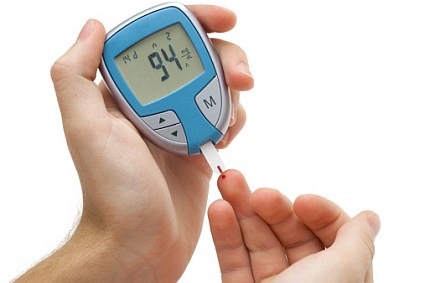
Diabetes is a very dangerous disease, firstly it affects you kidney, leading to kidney failure, then your eyes causing blindness and also your nervous system. You should take great care of it and must do a diet! Also you must take care of your foot, because if get hurt then it will not heal and thus lead to amputation!
If you have a family history of diabetes, make sure to try to eat right and move more, and make sure that your physician monitors your blood sugar at your annual exam. Watch for symtoms such as increased hunger, feeling thirsty, blurred vision, feeling tired, and frequent infections such as urinary tract infections or yeast infections.
In my experience, many people with undiagnosed Type 2 diabetes think that their symtoms are a result of aging and put off going to the doctor. If you are diagnosed, make sure to have a visit with a Registered Dietitian who is a Certified Diabetes Educator. He/she will teach you how to eat and monitor blood sugars, and how to take care of your diabetes. You can take active control of your diabetes and prevent complications.