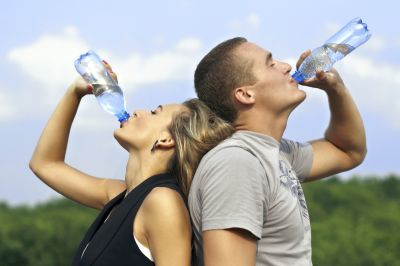
Athletic Hydration is a big issue this Summer with temperatures around the country being so high. I am always concerned about hydration when I exercise but in the summer months when it is hard to stay hydrated even when doing nothing it is even more critical to keep your water and electrolytes up.
Proper hydration plays a critical role in athletic performance. Some consequences of dehydration are as follows: cramping, fatigue, dizziness, rapid elevation of body temperature, confusion, fainting, and the inability to sweat (cooling mechanism of the body).
Symptoms of Dehydration
Despite these symptoms obviously hampering athletic performance, they can progress rapidly into heat exhaustion or heat stroke. In order to avoid these serious side effects and increase the ability to perform at top levels, it is essential that not only athletes, but everyone that is exposed to Louisiana temperatures have a clear understanding of how to maintain proper hydration.
When focusing on hydration, it is important to look at some warning signs that the body gives to signal the lack of proper hydration. Thirst is considered by some experts to be an early signal that your body is in need of re-hydration. But according to Nancy Clark in her “Sports Nutrition Guidebook,” athletes may have already lost over a pound and a half of water before their thirst mechanism kicks in.
Athletic Hydration Signals
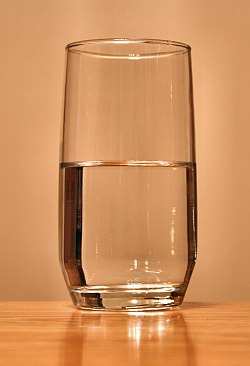
So it is may be ill-advised to rely on the thirst signal before looking to replenish fluids. Another warning signal of early dehydration is referred to as the Urine Test. Dr. Porche, a long time athletic trainer at the collegiate level, would post dark yellowish/orange sheets of paper in the stalls of the restrooms.
These sheets stated: “If your urine is the color of this paper, you are dehydrated!” That is how he got the message across to athletes about self monitoring for dehydration. According to The Essentials of Strength Training and Conditioning, normal urine of an adequately hydrated individual would be the color of lemon juice.
Athletic Hydration Tips
The following is a look at what steps need to be taken before, during, and after strenuous activity in order to maintain proper hydration levels:
Encourage athletes to hydrate properly before long periods of activity or exercise in a hot environment.
Consuming at least ½ liter of fluid (about 16 fl oz) two hours before activity provides the fluid needed to achieve optimal hydration and allows enough time for urination of excess fluid. Because rapid absorption is not critical, athletes can choose to drink water or many other beverages.
The question whether consuming caffeinated beverages causes dehydration is often asked. Caffeine increases urine production slightly in athletes not accustomed to it, less in athletes who customarily consume caffeine.








I have to agree the content of this article is right on the button. I have suffered all my life with losing salt out of my body when cycling. The only remedy the doctor prescribed was to take in a lot of drinks on a regular basis.