Lose Weight Starting Today With The #1 Diet On The Internet. Don't Delay. Click Here To Learn More Now
Fat Loss for Idiots 

#top_ad { float: right; width: 300px; height: 200px border: 1px solid #ccc; }

Archive for the “Herbal Remedies” Category


If you're new here, you may want to subscribe to my RSS feed. Thanks for visiting!

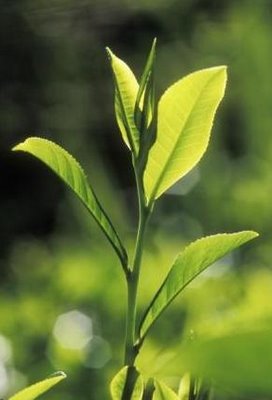
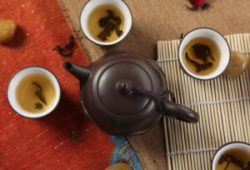
The Chinese have known about the medicinal benefits of green tea since ancient times, using it to treat everything from headaches to depression. I was so impressed when I started researching the benefits of Green tea that I started a Chinese Green Tea website.

In fact Chinese Green tea has been researched and linked to help all of the following conditions.

* rheumatoid arthritis
* high cholesterol levels
* cariovascular disease
* infection
* impaired immune function
* Cognition
* Stopping certain neurodegenerative illnesses such as Alzheimers
* Treating Arthritis
* Treating MS
Read the rest of this entry »

Comments 4 Comments »

Is Chitosan a good fat blocker?

Chitosan is a natural nutritional fiber which is made from the shell of shrimps. Chitosan has unique properties which makes it the effective fat blocker. Chitosan can bind dietary fat and cholesterol. By binding with cholesterol, Chitosan can reduce the re-absorption of cholesterol into our bodies therefore stopping fat from being stored in our bodies.
Numerous claims have emerged noting chitosan as one of the most successful fat burners. Chitosan is said to be capable of absorbing fat and preventing it from getting into your body. But, how effective is Chitosan at blocking fat?

It is important to note that whether chitosan is safe or effective as diet aid remains controversial even up to these days. There have been a lot of claims regarding the benefits of chitosan. Many people have said that chitosan does work, but these claims are contradicted by few studies. Some thorough clinical studies on humans have shown that chitosan does not work, making the question about Chitosan�s effectiveness very debatable.

Chitosan claims as a fat blocker

So which Chitosan research that support and contradict these claims? Firstly, one of the most commonly cited Chitosan research by the makers and distributors of chitosan-based products is the 1994 ARS Medicina Report. In this study, it was found out that test subjects lost 8% of body fat and reduced cholesterol by 32% in four weeks. Secondly, there are various Chitosan research which revealed that the substance lowers plasma cholesterol and triglycerides and improved the HDL cholesterol level.

Assessing at these pieces of evidence, one might be adequately persuaded that chitosan�s claims are indeed true. However, when taking the designs of the Chitosan research into consideration, the evidence appears in a much different light. The 1994 ARS Medicina Report and others that support it appear to be slackly designed. Experts have noted that only uncontrolled and anecdotal evidence seem to be the only available evidence in research that ha been carried out so far.

In addition, most of the cholesterol lowering evidences reported in other resources is obtained in another noteworthy fashion. Most of the Chitosan research were carried out on mice, canines and guinea pigs.

Not much Chitosan Research done yet

Unfortunately, only one well-designed study on chitosan, involving humans as subject, has been published. That study was conducted in 1999 by the European Journal of Clinical Nutrition, showing that chitosan supplement were no better than a placebo in reducing body weight. 34 overweight subjects were actually involved in this study. They were assigned to either a treatment group which received 4 capsules of chitosan twice daily for 28 days, or to a �placebo group� which received a placebo under the same regimen. After days of treatment, the results revealed no significant difference between two groups on any of the body mass index, serum cholesterol, triglycerides, Vitamins A, D, E or beta-carotene levels. Based on these results, weight loss experts concluded that chitosan does not work.

Although further Chitosan research were conducted, they all have shown that chitosan did not block fat. Also of concern is a finding during some of the Chitosan research is the finding that that chitosan block out some vitamins and minerals.

The results of there various Chitosan research cast doubt on the effectiveness of Chitosan as a fat blocker. There is still a lack of well-designed and hard evidences that could support the effectiveness of chitosan.

Comments 1 Comment »

I just ran into a couple of great articles on Hoodia and thought it would be great to share them. Why do I care about Hoodia? Well I keep getting spam about the “Greatest weight loss product ever” and man do I hate unfounded hype.

It seems that Hoodia may be a good product but if there is ever a wonder drug that will stop people from eating and help them lose weight than the lack of exercise will surely kill people. I t is very important to remember that even if Hoodia does a great job in helping you lose weight that you still need to exercise regularly to stay or regain health. I have made my own notations here in bold from this great article at about.com written by Cathy Wong

Introduction to Hoodia

Each year, people spend more than $40 billion on products designed to help them slim down. None of them seem to be working very well.

Now along comes hoodia. Never heard of it? Soon it’ll be tripping off your tongue, because hoodia is a natural substance that literally takes your appetite away. It’s very different from diet stimulants like Ephedra and Phenfen that are now banned because of dangerous side effects. Hoodia doesn’t stimulate at all. Scientists say it fools the brain by making you think you’re full, even if you’ve eaten just a morsel.

Hoodia is a cactus that’s causing a stir for its ability to suppress appetite and promote weight loss. 60 Minutes, ABC, and the BBC have all done stories on hoodia. Hoodia is sold in capsule, liquid, or tea form in health food stores and on the Internet. Hoodia is also found in the popular diet pill Trimspa.

Hoodia gordonii can be found in the semi-deserts of South Africa, Botswana, Namibia, and Angola. Much like a cactus it has recently been turned into a cash crop in Namibia where there are hundreds of acres of it being grown to meet the demand in North America.

It takes about 5 years before hoodia’s pale purple flowers appear and the cactus can be harvested. Although there are 20 types of hoodia, only the hoodia gordonii variety is believed to contain the natural appetite suppressant.

Although hoodia was only marketed recently, the San Bushmen of the Kalahari desert have been eating it for a very long time. The Bushmen, who live off the land, would cut off part of the hoodia stem and eat it to ward off hunger and thirst during nomadic hunting trips. They also used hoodia for severe abdominal cramps, haemorrhoids, tuberculosis, indigestion, hypertension and diabetes.

In 1937, a Dutch anthropologist studying the San Bushmen noted that they used hoodia to suppress appetite. But it wasn’t until 1963 when scientists at the Council for Scientific and Industrial Research (CSIR), South Africa’s national laboratory, began studying hoodia. Initial results were promising — lab animals lost weight after taking hoodia.
Read the rest of this entry »

Comments 1 Comment »

Chitosan: Origins of Chitosan

Chitosan has long been considered as the potent substance that binds fat and stop it from accumulating in our bodies. Chitosan is effectively a fantastic fat inhibitor which work wonders for those in search of a safe way to lose that body fat.

What is chitosan made from? It is taken from chitin, a polysaccharide found in the exoskeletons of crustaceans and cell walls of fungi. It is manufactured by removing the shells from the shellfish like lobster, shrimps and crabs.

The History of Chitosan

The origin of chitosan can be traced back to 1811 when “chitin”, from which it is derived, was first discovered by Braconnot, a then professor of the natural history in France. According to some researches, while Braconnot was conducting research on mushrooms, he isolated what was later to be called chitin.

Twenty years later, there was a man who wrote an article on insects in which he noted that similar substance was present in the structure of insects as well as the structure of plants. He then called this astounding substance as “chitin”.

Basically, the name chitin is derived from Greek, meaning “tunic” or “envelope”. The concept was further known in 1843 when Lassaigne demonstrated the presence of nitrogen in chitin.

Following the discovery of chitin, the name “chitosan” emerged in the scene. It was first discovered by Rouget while experimenting with chitin. Rouget observed that the compound of chitin could be manipulated through chemical and temperature treatments for it to become soluble. Then, it was in 1878 when Ledderhose identified chitin to be made of glucosamine and acetic acid. It was not actually until 1894 that Hoppe-Seyler named the tailored chitin, chitosan.

During the early 20th century, several researches took chitosan as their subject of study. They then involved sources of chitin, including crab shells and fungai. It was the work of Rammelberg in the 1930s that led to the confirmation on the identity of chitosan from these sources. It was also noted that by hydrolyzing chitin in several ways, it was determined by experts that chitin is a polysaccharide of glucosamine.

During the 1950s, the use of x-ray analysis had advanced the study of the incidence of chitin or chitosan in fungai. However, it is only the most advanced technologies that proved the most reliable in accepting the existence of chitin as well as cellulose in the cell walls. The first book on chitosan was published 140 years after the initial observation of Braconnot, and that was in 1951.

During the early 1960s, chitosan was examined for its ability to bind with the red blood cells. That time also, the substance was considered as a hemostatic agent. Then, for the past three decades, chitosan has been used at water purification plants for detoxifying water. It is spread over the surface where it absorbs greases, oils, and other potential toxins.

Nowadays, Chitosan it is known as a dietary supplement that is good for weight loss. In fact, it has been marketed for such purpose for about 20 years in Japan as well as in Europe.

What is Chitosan used for

Chitin has long been viewed as the nature’s second most abundant polymer. This is for the fact that it is found not only in shellfish, but also found in insect shells and fungi cell walls. Chitosan, a refined form of chitin, is prepared by removing the shells from shellfish. The shells are then ground into a pulverous powder, which is deacetylated or stripped of specific chemical groups allowing the compound to actively soak up fats. This aspect of it being able to absorb fat is the main feature which makes it effective in helping weight loss.

There are a number of functions or uses linked to chitosan. Because of these applications, chitosan is now marketed as a dietary supplement and is used to thicken foods, paints and makeup.

Liquid Chitosan

Chitosan is made in two main types, namely the dry and flakey product, and the liquid chitosan.

Although these forms are marketed as dietary aids, it is actually the liquid chitosan which gained a lot of interest from the people. This is mainly because the liquid chitosan is said to eliminate clumping problems or stomach pains as it causes the fat to form into hundreds of tiny calorie-free beads that are far gentler on your digestive tract.

The liquid chitosan is often identified by its appearance, color, protein content, degree of deacetylation, viscosity, insoluble, and other factors. Here is a summary of these factors:

Liquid chitosan is clear and yellow. Its protein content is less than 0.5% and often results to 0.14% if measured by Kjeldal method. Its degree of deacetylation is more than 90% with a result of 95% if measured through colloidal method. If you will prepare liquid chitosan by stirring 30 minutes, you can get a viscosity of about 50cps. Liquid chitosan has less than 0.5% insolubility if 20 grams of liquid chitosan is dissolved in 100 ml of distilled water. Liquid chitosan has a pH level of less than 5.5. Liquid chitosan has no taste and smell.

Liquid chitosan is commonly used as a weight loss supplement these days. Many of those who have used the flakey product have turned to the liquid form noting that liquid chitosan works better in the system than the flakey form.

Based on certain reports, instead of forming large clumps, the liquid chitosan causes the fat to form into hundreds of tiny calorie-free beads that are gentler in your digestive tract. However, it is important to note that in addition to binding fats, it binds the fat-soluble vitamins A, D, E and K, making them unavailable to the body. This is the reason that most experts recommend a supplement with high-quality multivitamin.

Chitosan Recomendations

So, although Chitosan is taken as a ‘wonder’ pill of today, it has been around for ages and has been a subject since 1811. I am still not convinced about the abilities of Chitosan but again I say that in the absence of any side effects this is another product that you can try for weight loss, maybe for a couple of months, and then decide how it made you feel and whether you had a good response to it and go from there.

Comments 1 Comment »

Now that Tea Tree Oil prices have dropped and the hype has hopefully worn off. I thought it would be nice to research a little more as to what kind of benefits we can get from the little herb that was such a wonder drug just a few years ago. It seems that there have been a few studies although many of them are inconclusive of the effect that Tea Tree Oil has on the body, although as you will see in this list there are many many claims to what Tea Tree Oil can do for you.

My advise is to get a larger bottle of Tea Tree Oil and test it out yourself for a month or two and see how it works out. From my experience I have found it to work great for my skin and use a Body Shop brand tea tree oil soap every day. Here is a list of the information and uses for you to try out.

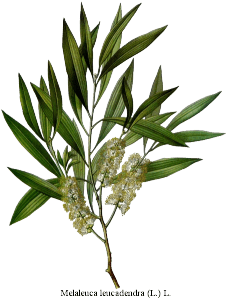
Tea tree oil (Melaleuca alternifolia) is a multi-purpose herb that traces its roots to the Aboriginal people of Australia. For thousands of years, they used the leaves as an antiseptic and antifungal by crushing the leaves and making a mudpack. The Australian government considered tea tree oil a World War II essential for their armed forces’ first aid kits. After the war, increased use of pharmaceutical antibiotics decreased tea tree oil’s appeal everywhere except in Australia. Tea tree oil started to regain its popularity in 1960, with a recharge in its research around the world. Today, Melaleuca alternifolia is also grown in California.

Properties of tea tree oil
Tea tree oil’s properties are contained in the oils of its leaves. The oil is steam distilled from the leaves and then tested for chemical properties, which can number between 50 and 100. This may explain tea tree oil’s many beneficial uses. The main active components are terpinen-4-ol, 1,8-cineole, gamma-terpinene, p-cymene and other turpenes. Its aroma is distinct and very floral although sharp.

General use
Tea tree has a long history of traditional use. Australian aboriginals used tea tree leaves for healing skin cuts and infections, by crushing the leaves and applying them to the affected area. The oil contains constituents called terpenoids, which kill fungus and bacteria.

Acne - Some research in humans suggests that applying tea tree oil to acne lesions on the skin may help acne to clear up faster and may also cause fewer adverse effects (skin dryness, itching, stinging, or redness) than do other commonly prescribed acne drugs..

Infections - Tea tree oil has been studied for treating a variety of infections. Early studies have found that tea tree oil may kill toenail fungus, fungal infections in the mouth and skin, athlete’s foot, some bacterial infections, vaginal infections, and herpes infections. However, there are no clear answers in these areas because studies have been small and low quality. More research is needed before a recommendation can be made.

Gingivitus - Early study suggests that tea tree oil may help gum inflammation and reduce plaque when used in mouthwash. Further research is needed to confirm these results.

Other uses
Athlete’s foot
Minor injuries
Vaginitis
Thrush
As an antiseptic
Boils
Lice
Psoriasis
Yeast infection

Antibacterial
The most promising new function of tea tree oil is to counter methicillin-resistant Staphylococcus aureus (MRSA), also called the hospital super bug. In United States and European hospitals, MRSA grew from under 3% in the 1980s to 40% in the late 1990s. This super bug attacks people who have wounds, such as post-operative infections , and a depressed immune system. MRSA resists conventional antibiotics, except Vancomycin. A Thursday Plantation in vitro study, at East London University, comparing Vancomycin and tea tree oil, shows the latter as a powerful alternative. This study corroborated the University of Western Australia study by Thomas Riley and Christine Carson. Because the spread of MRSA occurs mainly by hands, one London hospital uses tea tree oil soap for staff and patient hygiene. The first study using real patients with MRSA, is currently in progress at The John Hunter Hospital, Newcastle New South Wales. The undertaking looks at tea tree oil as a topical alternative.

Tea tree oil works as an expectorant when inhaled or taken internally and has a soothing effect; therefore, it can be used for throat and chest infections, and clearing up mucus. It is also effective against earaches, cystitis, and gingivitis. Inhaling steaming hot water with 5 drops of tea tree essential oil added can not only soothe coughing and plugged noses, but doing so at the start of the infection might stop it from spreading. For sore throats, gargle with 6 drops of tea tree oil in a glass of warm water.

Common Doses
Tea tree comes in cream, ointment, lotion, and soap forms It can also be found as a pure oil. Tea tree oil has been used as a spot treatment for acne, for fungal infections of the toenails, and diluted as a mouthwash for oral yeast (thrush). When gargling, the solution is never swallowed after use

Recipes - Steam Inhalations
2 drops of tea tree oil in a bowl of steaming water. Cover head and inhale for
5-10 minutes. To relieve congestion and fight infection.

Recipes - Massage with Tea Tree oil
Add 3-5 drops of Tea Tree oil to 30ml of base oil and massage in for rheumatic
pain. Twice daily.

Recipes - Bathing with Tea Tree oil
As a disinfectant measure add approximately 3-5 drops to the bath water. Helps
with skin infections.

Immune System Treatment
Massage once weekly with a blend of 3-5 drops of Tea Tree oil to 30ml of base
oil. To help strengthen the immune system.

Interested in a proven method to rid you of your acne? Then visit the Acne no more site. Or another product is the herbal acne treatment called Acnezine.

Comments 3 Comments »